
How Some Fiber Build Projects Move Faster Than Others
Demand for dark fiber has never been higher. The need for fiber corridors for distributed AI, hyperscale data center growth, and network densification are driving operators to build new metro, middle mile, and long-haul routes as fast as possible.
Yet many projects that appear straightforward on paper get held up with costly schedule disruptions in the field.
- Planned routes prove impractical.
- Permits take longer than expected.
- Existing infrastructure creates unforeseen conflicts.
- Coordination gaps emerge between engineers, utility owners, and contractors.
While every project is unique, our experience has shown that most significant delays often come from:
- Early planning decisions or assumptions
- Missed phase coordination
- Gaps in documentation
Understanding the root causes of project risks can help network operators maintain project momentum, avoid costly rework, and protect time to revenue.
Lesson #1: The Shortest Route Isn’t Always the Best Route
One of the most common causes of project delays is assuming the shortest route is the best route. On a map, the path for a new fiber route may appear obvious. In reality, urban and suburban environments contain countless constraints that can complicate deployment:
- Congested utility corridors
- Limited right-of-way availability
- Rail crossings
- Highways and tollways
- Waterways
- Existing underground infrastructure
- Municipal construction projects
A route that looks efficient during preliminary planning can quickly become problematic once field conditions are evaluated.
Successful projects often begin with high level design that includes broadband and feasibility studies and initial cost planning to identify potential obstacles and budget breakers early. The process empowers teams to select pathways that balance constructability, resiliency, ease of permitting, and long-term spend optimization.
The goal is not simply to find a path from Point A to Point B. It is to identify a route that can actually be built and maintained effectively.
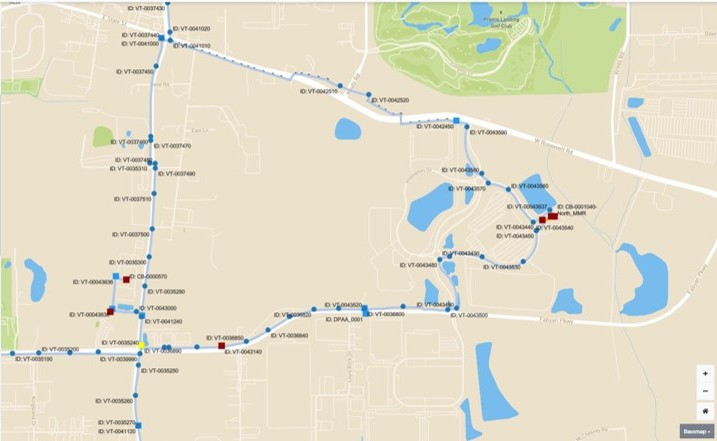
Lesson #2: Why Fiber Permitting Delays Network Expansion Projects
Permitting is often seen as a simple milestone rather than a complex workstream, but permit approval timelines can vary dramatically depending on jurisdiction, route characteristics, environmental considerations, and third-party stakeholders involved.
Large metro fiber builds may require coordination with:
- Municipal governments
- Departments of transportation
- Railroad authorities
- Tollway agencies
- Utility owners
- Environmental agencies
Every jurisdictional layer introduces additional variables and project delays can occur when route planning proceeds without a clear understanding of approval requirements and timelines.
Experienced pro services teams account for permitting realities during early planning to identify potential bottlenecks before they impact construction schedules. They also leverage years of in-market experience and local relationships to fully understand the concerns and goals of the many stakeholders and smooth the path to final approval.
Lesson #3: How Field Conditions Impact Fiber Construction Schedules
In fiber construction, rock beats paper every time. Even carefully planned fiber routes rarely pass through ideal construction environments. Instead crews routinely have to navigate:
- Challenging rock and soil conditions
- Congested underground corridors
- Unexpected utility conflicts
- Restricted work windows
- High-traffic roadways
- Sensitive residential areas
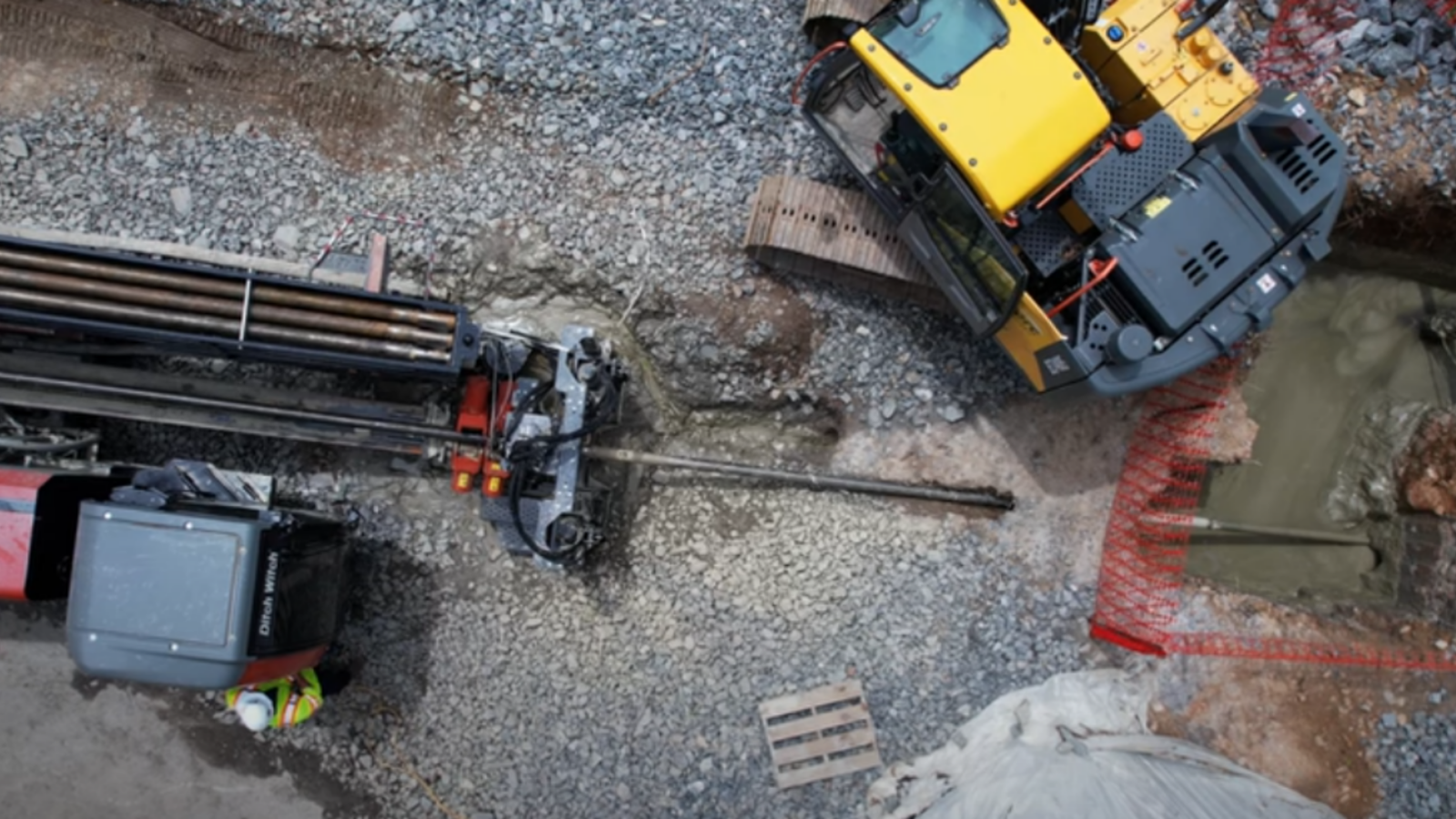
Each environment introduces unique risks that can impact schedules. For example, crossing a major transportation corridor or boring through rock often requires significantly more planning and coordination than standard fiber placement.
Projects that account for these realities during early design phases are generally better positioned to maintain momentum once crews mobilize (See Lesson #1 on Route Selection and Design).
Lesson #4: Why Documentation Matters Long After Construction Ends
When schedules tighten, documentation can be one of the first activities crews rush through, even though accurate records are crucial to future repairs, operations, and upgrades.
Poor documentation can lead to:
- Delays locating existing infrastructure
- Confusion around splice locations
- Rework during future expansions
- Extended troubleshooting efforts
- Incomplete project visibility
For dark fiber deployments, documentation becomes even more important because portions of the network may remain unused for years before being activated. Without detailed records, future teams may lose significant time (and money) determining what was built and where capacity exists before they can perform upgrades or bring on a new customer.
Comprehensive documentation provides the visibility needed to support future operations, network expansion, and effective capacity management.
Lesson #5: Building for Tomorrow’s Capacity, Not Today’s Demand
Fiber networks are long-term infrastructure assets. But some networks are designed solely around current demand forecasts, leading to challenges only a few years after a build project.
As bandwidth requirements increase, operators may discover that existing infrastructure lacks the capacity needed to support:
- AI-driven workloads
- Data center expansions
- New enterprise customers
- Additional transport routes
- Emerging service offerings
The result is often another round of engineering, permitting, and construction that could have been avoided or delayed. Building flexibility and additional capacity into initial route design can help operators support future growth, maintain network resiliency, and reduce the likelihood of disruptive rebuild cycles.
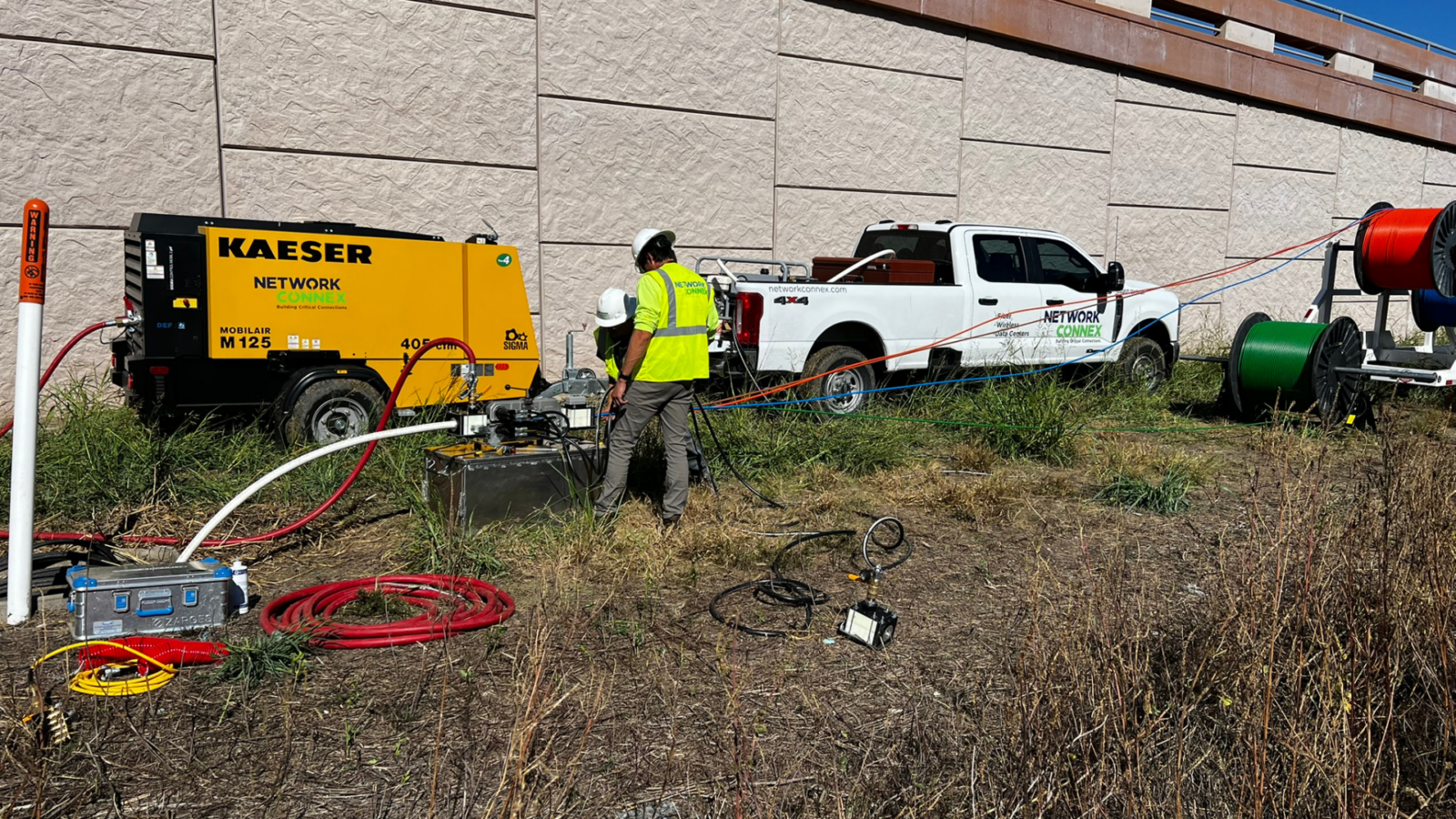
The Hidden Lesson: How Better Coordination Keeps Fiber Projects on Schedule
While technical obstacles often appear front and center, poor coordination between project phases is one of the most preventable causes of delays.
Operators have historically partnered with separate engineering, permitting, construction, inspection, network activation, and restoration partners which creates barriers to communication and coordination. When information does not move efficiently between teams, projects can stall even when individual phases progress as planned.
Successful fiber deployment projects rely on real-time project visibility, consistent communication, coordinated handoffs, and the ability to quickly resolve issues before they cause schedule impacts.
Successful Fiber Deployments Start Long Before Construction
Dark fiber projects will always involve obstacles.
- Permitting requirements vary from one segment to the next.
- Construction conditions or community environments change.
- Infrastructure conflicts emerge.
The difference between projects that stay on track and those that experience significant delays often comes down to (1) preparation, (2) coordination, and (3) staying on top of the details.
- A thorough planning phase including route validation, thorough field assessments, realistic permitting strategies, and future-focused design decisions helps create a realistic project deployment timeline.
- Meticulous documentation during and immediately after the build provides invaluable, reliable records for future operations and expansion.
- Disciplined project coordination across all phases can help operators avoid costly setbacks and create a smoother path from concept to service activation.
Derail delays and budget creep with Network Connex expertise and turnkey solutions to support your large and complex fiber build programs. Get in touch if we can help you grow.